
Home / Care Navigation Collaborative / Our Story
Our Story
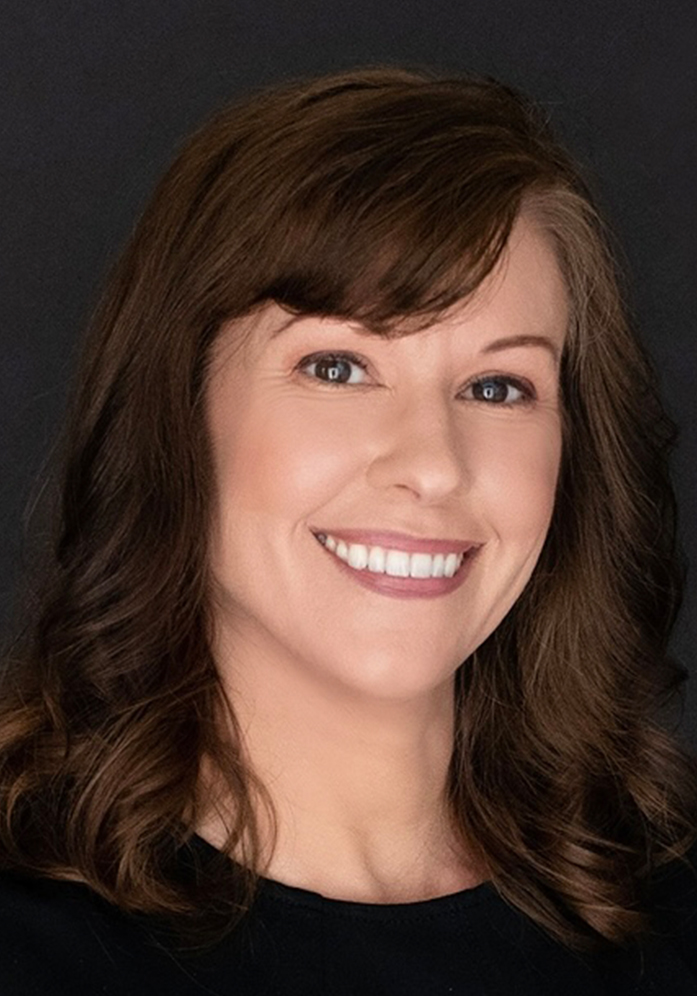
Dr. Rebecca Resnik
Psychologist
Dr. Rebecca Resnik created the Care Navigation Collaborative after her own experiences navigating the world of care. She and her husband were not only busy working professionals but were still raising their own children when their care responsibilities started. She and her husband cared for older loved ones through dementia, stroke recovery, major surgeries, catastrophic falls, and the heart wrenching transition from living at home to needing 24-7 care.
Dr. Resnik began researching how providing care can be a deeply meaningful experience, but without the right support, caring for others puts the person giving the care at high risk for depression, anxiety, burnout and loneliness. She knows the intense stress and frustration of navigating care personally– from getting those 3 am emergency calls to saying a last goodbye. Through her own family’s journey, she saw first hand how critical it is to have a deep bench of experts there with you every step of the way.
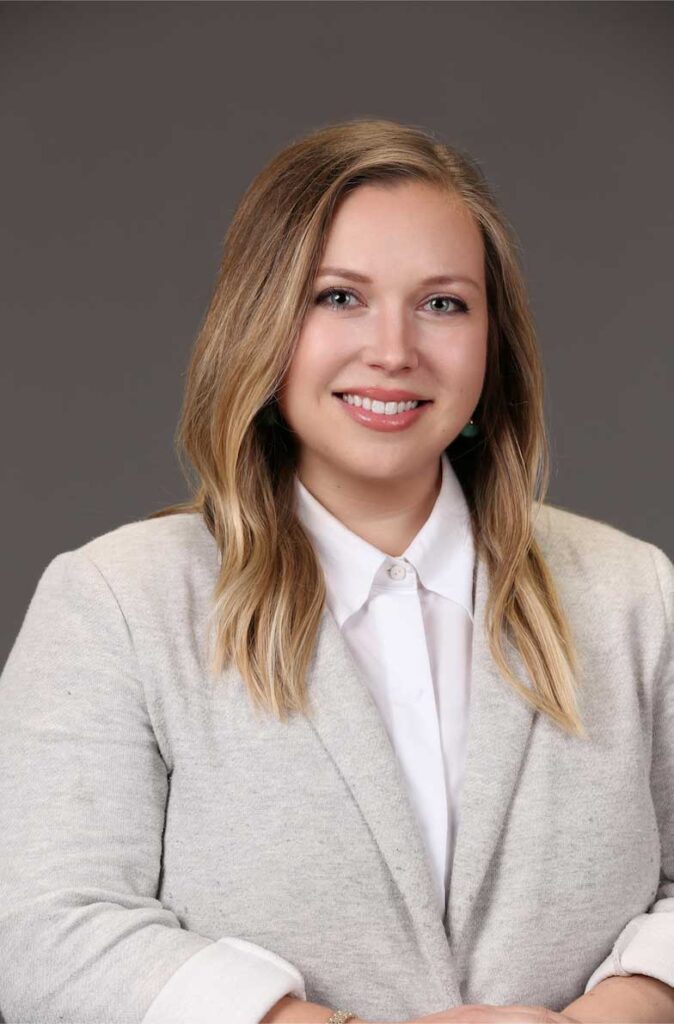
Marvie Corbett, LCSW-C
Psychotherapist
Marvie felt an immediate connection to the mission of Care Navigation Collaborative after witnessing personally and professionally the deep impacts on the sibling relationships of the adults family members managing the ongoing stress, case management, and needs of aging parents.
Without established routes of communication, navigating the sheer volume of these tricky conversations is incredibly difficult. Without alternatives for approaching these situations differently, families only have the option of falling back on established roles, invisible family culture and expectations. When the stakes are as high as caring for someone you love profoundly, differing opinions on how to approach the situation can fray and fracture relationships. The last thing needed during this specific time of protracted stress, fear and change is the loss of more family relationships, particularly siblings.
As Jeffrey Kluger said, “Our parents leave us too early, our spouses and children come along too late. Our siblings are the only ones who are with us for the entire ride.“
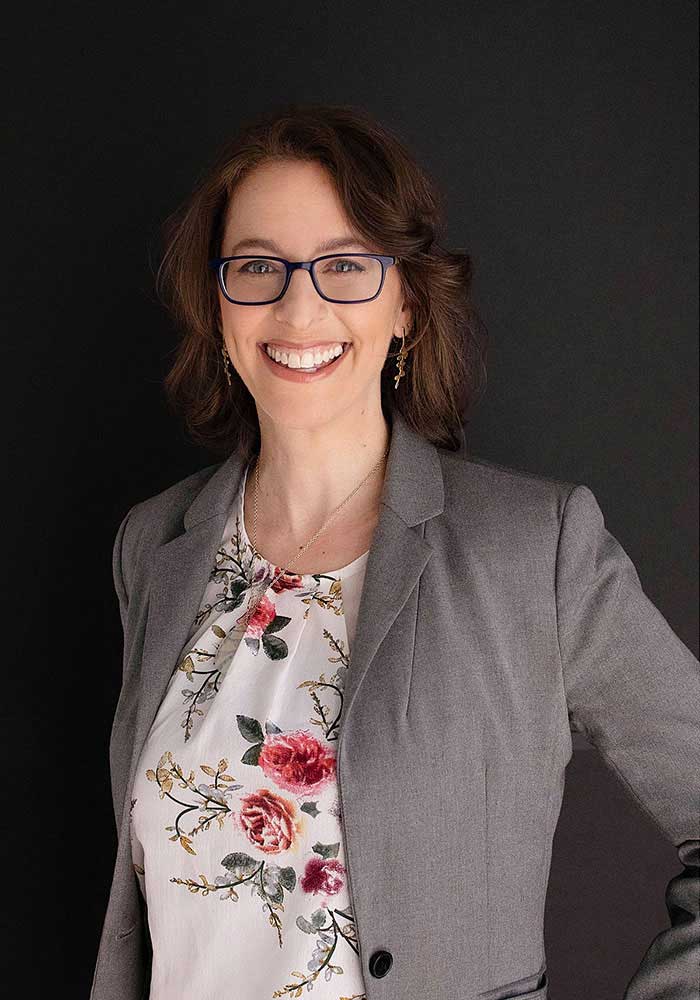
Dr. Rachel Singer
Licensed Psychologist
Dr. Rachel Singer is a licensed psychologist and a member of the “sandwich generation,” balancing the responsibilities of caring for both young children and aging family members. Through both her professional expertise and personal experience, she understands how sudden or debilitating medical conditions can profoundly affect individuals and reshape family dynamics. With specialized training in family and group therapy, Dr. Singer provides compassionate, comprehensive support to individuals and families, with a focus on promoting dignity, comfort, and meaningful connection throughout the aging process.
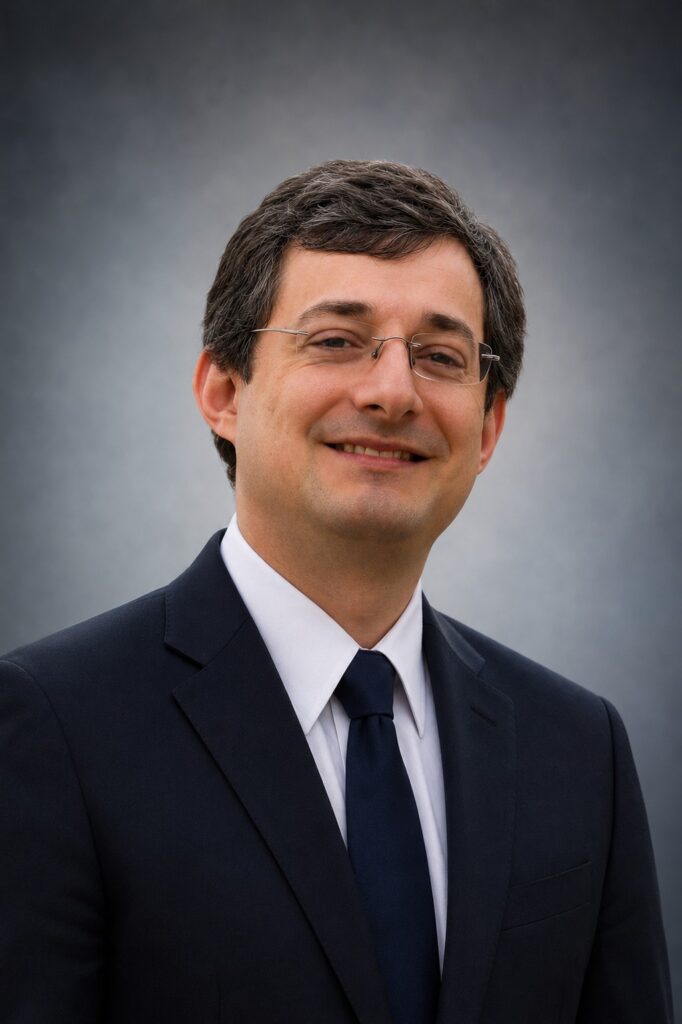
Dr. Adam Schechner
Medical Educator
Adam J. Schechner, MD brings decades of experience helping patients and families navigate some of the most difficult moments of their lives. As a board-certified trauma surgeon, he cared for thousands of people facing sudden illness and life-changing injuries. While surgery was an important part of his work, Dr. Schechner recognized that healing also depends on understanding. He spent countless hours sitting with patients and their loved ones, explaining complex medical conditions in plain language, answering difficult questions, and helping families make informed decisions during times of uncertainty and fear.
Throughout his career, Dr. Schechner believed that good medical care extends beyond diagnosis and treatment. It includes helping people understand what is happening, what to expect, and how to move forward with confidence. His experience caring for older adults and patients with complex injuries reinforced the importance of treating the whole person, not just the injury, and he draws on that experience to help individuals and their families better understand their health, communicate effectively with their healthcare teams, and feel supported as they navigate the challenges of illness and recovery.
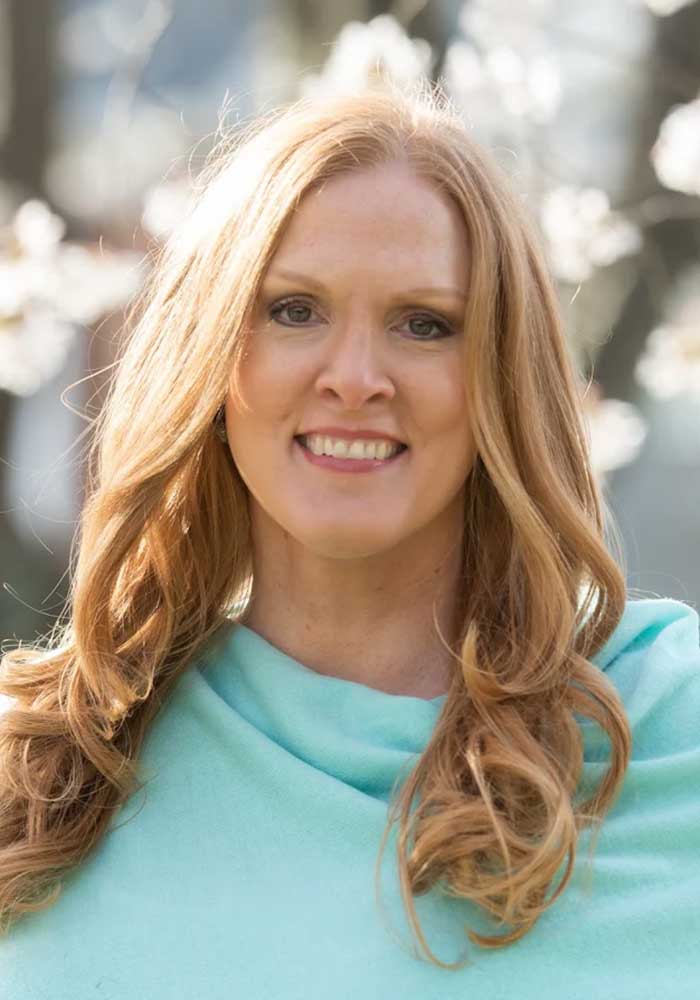
Dr. Sara Squires
Healthcare Coach and Educator
In addition to practicing as a Doctor of Physical Therapy, Dr. Squires became a National Board-Certified Health & Wellness Coach in 2024 after overcoming many personal caregiving challenges. She coped with the cancer diagnosis of her daughter in 2010 and her untimely death in 2017. She has cared for her aging parents when they lived close by and managed another set of challenges when they relocated several states away. Most recently, she has navigated her own breast cancer diagnosis and now happily cancer-free!
How to Start
For many clients, the first step is an initial consultation to better understand the situation, identify immediate concerns, and clarify the most helpful path forward. Depending on your needs, that may include therapy, family work, psychoeducation, assessment, consultation, or referral to a trusted outside provider.